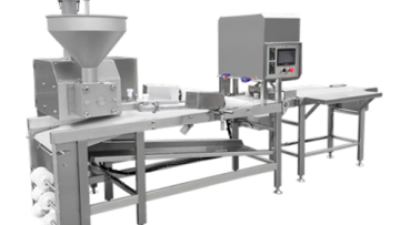
Getting ahead in the food biz these days really comes down to efficiency and quality — you gotta have both. Lately, it seems like everyone’s craving fish balls, and reports show that sales grow about 7% each year. It’s no surprise that the Fish Ball Forming Machine has become a real game-changer for companies wanting to keep up with this boom. Experts like James Wong from Seafood Innovations even point out, "If you invest in a Fish Ball Forming Machine, you’ll see a big boost in how fast you can produce, without sacrificing quality." Pretty compelling, right?
More and more, businesses are diving into automation to make things smoother and cut down on labor costs. And honestly, these machines can crank out thousands of fish balls during a single shift — talk about efficiency! But,Heads up — picking the right machine isn’t just about capacity; you’ve gotta think about how reliable it is too. Not all machines are built the same, and some might just not stand up to heavy, ongoing use.
So, before jumping in, it’s worth taking a step back and considering your specific needs. Experience and industry trends can really help guide the decision — because investing in a dependable Fish Ball Forming Machine could seriously level up your production and change the game for your business.
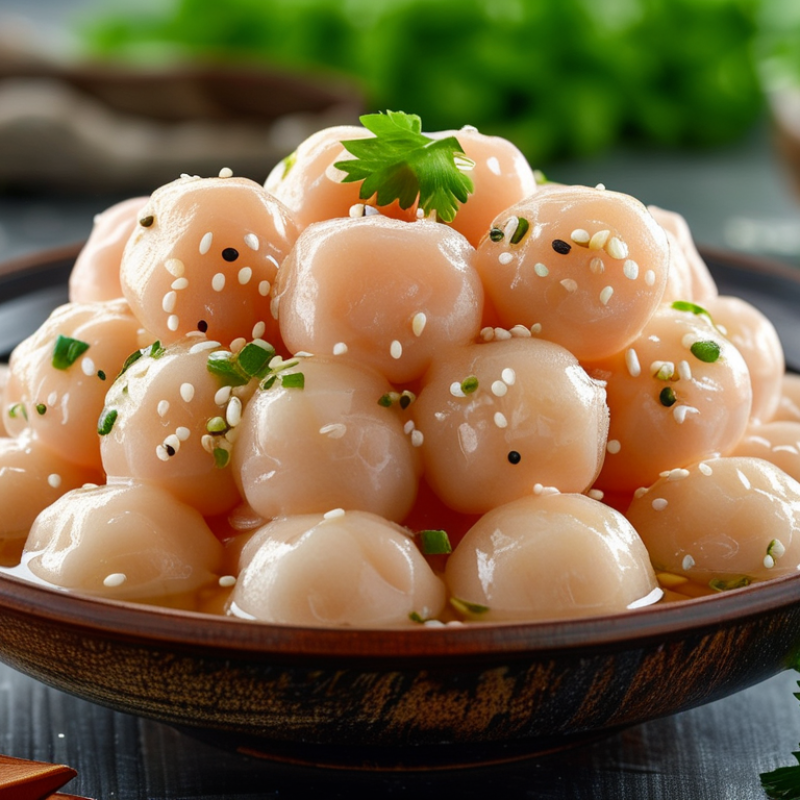
Benefits of Using a Fish Ball Forming Machine in Food Production
The fish ball industry has been thriving, with the global market expected to reach $4.5 billion by 2026. The growing demand for convenient and diverse seafood products fuels this expansion. A fish ball forming machine streamlines production, ensuring consistency and quality. Automation leads to higher efficiency, reducing labor costs while increasing output.
When companies implement an Ink Fish Ball Forming Machine, they benefit from precise shaping and volume control. This technology minimizes waste and optimizes ingredient usage. According to recent reports, businesses can achieve up to a 30% increase in productivity with this type of machinery. The ability to produce uniform fish balls enhances consumer satisfaction and brand reputation.
Despite these advantages, some manufacturers struggle to adapt to new tech. Training staff and integrating equipment can be challenging. Yet, powerful machines like the Ink Fish Ball Forming Machine offer a pathway to innovation in food production. The key is to embrace these tools while addressing potential learning curves and operational adjustments. Investing in such technology prepares businesses for future growth and consumer trends.
Key Features to Look for in a Fish Ball Forming Machine
When considering a Fish Ball Forming Machine for your business, it's essential to focus on specific features. The right machine can significantly enhance production efficiency. Look for adjustable settings to cater to various fish ball sizes. Flexibility ensures that you can meet customer demands without sacrificing quality.
A reliable machine should also be easy to clean and maintain. Frequent use can lead to residue buildup. Simplified cleaning processes save time and labor costs. Moreover, durability is a critical factor. Machines made from stainless steel tend to last longer and resist corrosion. This durability can prevent unexpected downtimes that disrupt production.
When evaluating options, check for energy efficiency. Machines that consume less power reduce operational costs. Additionally, user-friendly controls are vital. Operators should easily understand and operate the machinery. This minimizes mistakes and maximizes productivity. Always consider investing in equipment from a reputable Fish Ball Forming Machine Manufacturer. Doing so assures you of quality and reliable support.
How Fish Ball Forming Machines Improve Production Efficiency
Fish ball forming machines have gained popularity in the food industry for their ability to enhance production efficiency. According to industry statistics, the adoption of automation in manufacturing can improve productivity by up to 30%. This significant increase allows businesses to meet growing consumer demand while maintaining quality. The precision and speed of
Fish Ball Forming Equipment minimize waste and ensure uniformity, which is crucial in food production.
The process of manually forming fish balls is time-consuming and can lead to inconsistencies. A recent report indicated that automated systems reduce labor costs by nearly 40%. This cost efficiency is particularly vital in an industry where margins are often tight. Investing in fish ball forming machines not only boosts output but also improves the overall quality of the product.
Tips: Ensure regular maintenance of your fish ball forming equipment. Well-maintained machines operate more effectively and have prolonged lifespans. Additionally, training your team on proper usage can further enhance efficiency and reduce potential errors in production. Always analyze production data to identify areas for improvement.
The Role of Automation in Fish Ball Production Equipment
Automation plays a pivotal role in modern fish ball production. A fish ball forming machine brings efficiency and precision to the manufacturing process. Traditional methods often involve manual labor, leading to variability and slower production rates. With automation, manufacturers can achieve consistent quality and increased output.
These machines streamline the entire production line. They minimize the risk of human error and labor costs. Automatic feeders and portioning systems can work tirelessly, creating uniform fish balls rapidly. This not only boosts productivity but also enhances food safety by reducing handling.
However, transitioning to automated systems is not without challenges. Initial investment costs can be high. Operators must also be trained to maintain and manage new equipment. It’s essential to evaluate the return on investment, making sure the benefits outweigh the costs. Adopting automation in fish ball production is a significant step that demands careful consideration and planning.
Comparing Manual vs. Machine Production of Fish Balls
Manual production of fish balls has a long history. However, it can be labor-intensive and prone to inconsistencies.
According to industry reports, over 30% of fish balls produced manually do not meet quality standards. This highlights the need for a shift towards more reliable production methods.
In contrast, using a fish ball forming machine streamlines the process. Machines can produce fish balls with
uniform size and texture, significantly reducing waste. A study found that automated production can increase output by
up to 50% compared to traditional methods. This efficiency not only satisfies customer demand but also enhances profitability.
Nevertheless, transitioning to machine production requires investment. There are concerns about upfront costs and training staff to operate the equipment.
Business owners must weigh these factors carefully. While machines provide consistency, they may also reduce the artisanal touch that some customers appreciate.
Balancing efficiency and quality remains a challenge in the industry.
Investing in Quality: Cost-Effectiveness of Fish Ball Forming Machines
Investing in a fish ball forming machine can transform your business. These machines not only save time but also reduce labor costs. A reliable fish ball forming machine yields consistent quality, crucial for customer satisfaction. The uniformity of your products enhances your brand's reputation in the market.
When considering cost-effectiveness, think about the initial investment versus long-term gains. While a good machine may seem expensive, its efficiency pays off. For instance, a Chaoshan Beef Ball Forming Machine can produce a high volume with minimal waste. This reduction in raw material costs significantly boosts your bottom line.
Tips to enhance your investment: Always compare machine specifications. Look for energy-efficient models to cut your operational costs. Regular maintenance can prevent costly repairs down the line. Sometimes, the cheapest option may lead to trouble. Investing in quality pays dividends in reliability and performance.
Maintenance Tips for Longevity of Fish Ball Forming Machines
Maintaining a fish ball forming machine is crucial for ensuring its longevity and performance. Regular maintenance can significantly enhance its operational efficiency and reduce downtime. According to industry reports, improper maintenance can lead to a 20% decrease in machine lifespan. Therefore, adopting a robust maintenance regimen is essential.
To ensure your machine functions optimally, consider these tips:
-
Clean the components regularly to prevent residue buildup. This helps maintain hygiene and extends the life of the equipment.
-
Check the electrical connections frequently. Loose connections can cause intermittent issues.
- It's also wise to conduct routine lubrication of the moving parts. This minimizes friction and wear.
Another critical aspect is monitoring the machine's performance metrics. Track operational hours and the frequency of malfunctions. This data can reveal patterns that indicate when parts need replacing. A recent study found that over 30% of machine failures stem from neglected performance checks. Proactive measures are key to avoiding costly repairs and extend usability.
Innovations and Applications of the Double Channel Winding Servo Forming Machine in Modern Manufacturing
The Double Channel Winding Servo Forming Machine represents a significant advancement in modern manufacturing processes, particularly in the production of various roll products. This innovative machinery seamlessly integrates servo technology, allowing for continuous pouring of sizing material onto a moving conveyor belt. The automatic wrapping mechanism efficiently forms the material into a cylindrical shape, ensuring a consistent and high-quality output. With its ability to rub tightly and form in a single operation, this system greatly enhances production efficiency and reduces labor costs.
Equipped with a sophisticated PLC control structure, this machine provides flexibility in adjusting both rolling speeds and cutting lengths, catering to diverse product specifications. It is particularly suitable for crafting traditional roll products such as Chaoshan roll seal, Minnan five spice roll rot, and skin shrimp roll. The innovation doesn't stop there; the automatic feeding blade pump and device streamline the material handling process, further optimizing operational performance. As industries continue to seek automated solutions, the Double Channel Winding Servo Forming Machine stands out as a valuable asset in ensuring high productivity and product quality.
FAQS
: Focus on adjustable settings for different sizes. Flexibility meets customer demands while maintaining quality.
Durable machines reduce unexpected downtimes. Stainless steel construction resists corrosion and lasts longer.
Automation can boost productivity by up to 30%. It minimizes waste and ensures uniformity in production.
Easy cleaning processes save time and reduce labor costs. Regular cleaning prevents residue buildup.
Automated systems can cut labor costs by nearly 40%. This is crucial in industries with tight margins.
Evaluate the initial investment costs carefully. Operators need training to manage new equipment effectively.
Challenges include high acquisition costs and the need for operator training. Ensure benefits outweigh the investment.
Regular maintenance is key. Training staff on proper machinery usage also reduces errors and boosts output.
Streamlined processes reduce handling and human error. This leads to greater safety standards in food production.
Analyzing data helps in identifying improvement areas. This can lead to enhanced efficiency in production processes.
Conclusion
A Fish Ball Forming Machine offers numerous benefits for businesses in the food production industry. By automating the process, these machines ensure consistent quality and shape while significantly improving production efficiency compared to manual methods. Key features to consider include the machine's durability, ease of operation, and maintenance requirements. Investing in a quality Fish Ball Forming Machine is not only cost-effective but also enhances overall productivity.
Moreover, the role of automation in fish ball production cannot be understated, as it streamlines operations and reduces labor costs. With proper maintenance, these machines can have a long lifespan, making them a valuable asset for any food manufacturer. Understanding the advantages and features of a Fish Ball Forming Machine will help businesses make informed decisions to optimize their production processes.