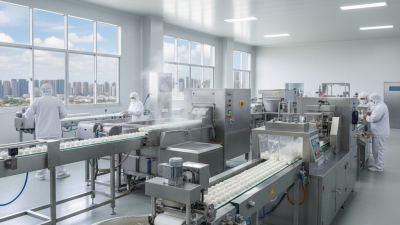
The fishing industry is changing pretty fast these days. And at the center of it all is **fish ball production equipment**—you can check it out here. I’ve heard industry pro David Chang from AquaTech Solutions say, “Getting the right equipment can really boost both the quality and efficiency of making fish balls.” That really hits the point—tech and craftsmanship are totally intertwined when it comes to the production process.
As more people around the world crave fish balls, the demand has shot up, which means manufacturers need to get better at using innovative production methods. Different kinds of equipment are key to keeping the product consistent and cranking out more in less time. From big mixers to precise forming machines, every piece of fish ball equipment has its own role to play. But, honestly, not every machine on the market hits the mark—some might cause quality issues if they’re not up to snuff.
For buyers, it’s a bit of a jungle trying to figure out what’s what. Knowing what features matter and how different machines benefit your operation is super important. Investing in reliable equipment can really pay off in the long run. That said, not every piece is perfect out of the box. Continuous innovation and improvement are needed to keep up with what consumers want and to comply with regulations—because things are always changing, right?
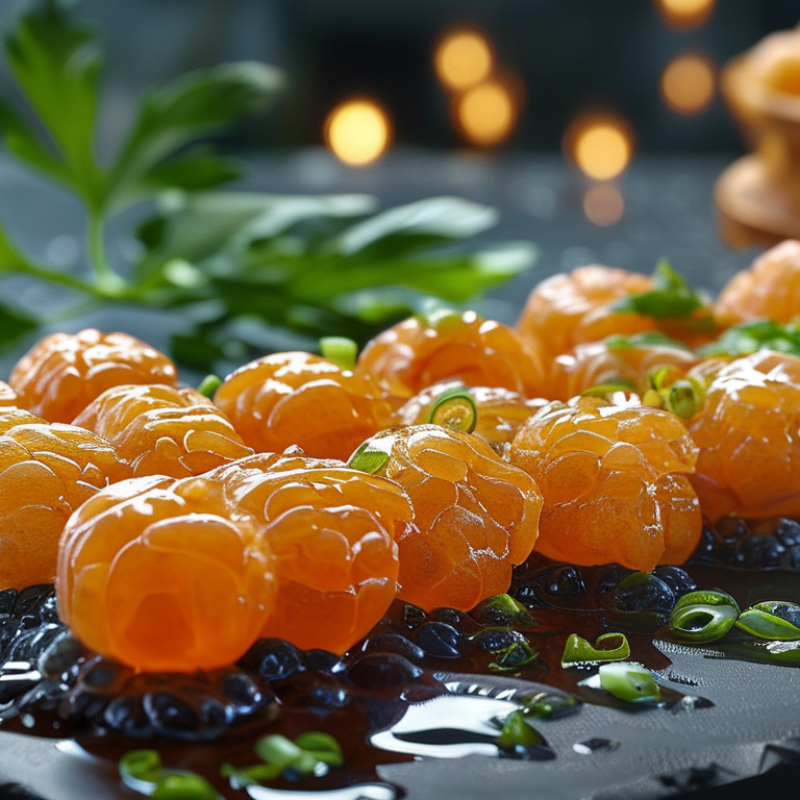
Overview of Fish Ball Production Equipment and Their Importance
Fish ball production equipment plays a crucial role in the seafood industry. Efficient machinery ensures higher productivity and consistent quality. This equipment includes machines that mix, shape, and cook fish balls. Each component contributes significantly to the overall production process.
Quality control is vital in fish ball manufacturing. Equipment must meet specific hygiene standards to ensure food safety. For instance, mixing machines must effectively blend fish with various ingredients. This ensures flavor and texture are consistent in every batch. Specialized forming machines create uniform shapes, essential for consumer satisfaction.
Investing in the right production equipment enhances operational efficiency. However, it can be a hefty financial commitment. Not all buyers understand the nuances of this industry. They might underestimate the importance of maintenance and training. Equipment can fail without proper care, leading to costly downtimes. Thus, understanding the diversity of fish ball production equipment is necessary for successful operations.
Top 10 Fish Ball Production Equipment for Global Buyers
| Equipment Type |
Purpose |
Production Capacity (kg/h) |
Power (kW) |
Dimensions (mm) |
Weight (kg) |
| Fish Ball Mixer |
Mixes fish paste |
100 |
3 |
1500x800x1200 |
200 |
| Fish Ball Forming Machine |
Forms balls from mixture |
200 |
5 |
1800x1000x1500 |
250 |
| Steamer |
Cooks fish balls |
300 |
7 |
2000x1200x1800 |
400 |
| Cooling Machine |
Cools cooked fish balls |
250 |
4 |
1500x700x1200 |
300 |
| Packaging Machine |
Packages finished products |
150 |
2.5 |
1600x800x1400 |
350 |
| Fish Ball Fryer |
Fry fish balls |
200 |
6 |
1800x1000x1600 |
450 |
| Quality Control Station |
Inspects quality |
N/A |
N/A |
1000x600x800 |
150 |
| Fish Ball Freezer |
Freezes finished products |
300 |
8 |
2000x1200x2000 |
500 |
| Storage Tank |
Stores raw materials |
N/A |
N/A |
1500x1500x3000 |
600 |
| Conveyor Belt |
Transports products |
N/A |
1.5 |
3000x800x1000 |
250 |
Key Factors Influencing the Selection of Fish Ball Equipment
When selecting fish ball production equipment, several key factors come into play. Understanding the specific needs of production capacity is crucial. Reports indicate that 70% of manufacturers prioritize efficiency. The right equipment minimizes manual labor and optimizes production speed. Machines with automated features tend to reduce the error rate. A reliable machine can produce thousands of fish balls per hour with consistent quality.
Material and durability are equally important. Equipment made from rust-resistant materials ensures longevity. According to recent industry data, 30% of businesses report frequent equipment failures due to corrosion. This not only affects production but also leads to increased maintenance costs. Additionally, it’s vital to assess the ease of cleaning and maintenance. A complex design may hinder operational efficiency.
Supplier support cannot be overlooked. A solid warranty and customer service enhance trust. Data shows that companies with reliable technical support experience fewer downtimes. Investing in equipment with long-term service agreements often yields better returns. Balancing cost, quality, and reliability is essential for sustained success in the competitive fish ball market.
Top 10 Fish Ball Production Machines: Features and Specifications
When exploring fish ball production, equipment plays a crucial role in efficiency and quality. The market is experiencing significant growth, with a projected CAGR of 5.2% from 2021 to 2027, according to industry reports. A vital aspect of production machines includes their ability to maintain food safety standards. Some machines ensure temperature control, which is essential for preserving freshness. Equipment with stainless steel components can also resist corrosion, ensuring longevity.
Features of top fish ball production machines often include multi-functional capabilities. They can handle grinding, mixing, and shaping in one unit. This reduces the need for multiple machines, saving space and lowering costs. Advanced models have automated processes, enhancing production speed. Nonetheless, machine calibration requires regular assessment. Neglecting this may lead to inconsistent product quality.
**Tip:** Always ensure machines comply with local food safety regulations. Regular maintenance can prevent costly breakdowns. It is essential to train staff thoroughly on equipment usage. This enhances safety and ensures efficiency. Remember, investing in quality machinery often yields better product consistency and customer satisfaction.
Comparison of Manual vs. Automated Fish Ball Production Equipment
In the fish ball production industry, choosing between manual and automated equipment is crucial.
Manual equipment often requires skilled labor. The production pace depends on human efficiency, which can vary significantly.
This variability may result in inconsistent fish ball quality. However, manual methods allow for greater control over ingredients and flavor profiles.
Manufacturers can closely monitor each batch, adapting techniques to enhance taste.
On the other hand, automated equipment offers higher production rates. It reduces labor costs and increases consistency in fish ball size and texture.
Automation simplifies the process, allowing for precision in ingredient mixtures and cooking times. However, it may reduce the personal touch.
Quality control becomes dependent on machine calibration and maintenance.
Investing in either option demands careful consideration of one's production goals. The choice will influence operational efficiency and product quality.
Buyers must weigh the benefits against potential downsides. Balancing automation with skilled craftsmanship may provide the best of both worlds.
Ultimately, the decision shapes the future of fish ball production.
Global Market Trends for Fish Ball Production Technology
The global market for fish ball production technology is evolving rapidly. Producers are adapting to new consumer preferences. Healthy options and sustainable sourcing are gaining popularity. This shift is influencing the equipment needed for production. The equipment not only enhances efficiency but also ensures product quality.
In recent years, automation has become crucial in the
Fish Ball Production Line. Automated machines can reduce labor costs and improve consistency. However, not all producers can afford this technology. Smaller businesses may struggle to compete without significant investment. It raises questions about accessibility and equity in the industry.
Consumers are increasingly conscious of their food choices. They seek products made with fresh, natural ingredients. This demand influences production methods and equipment design. Manufacturers must balance innovation with sustainable practices. These trends may lead to challenges in sourcing raw materials and meeting environmental standards. Fish ball production technology is likely to continue adapting in response to these global demands.
Maintenance and Efficiency Tips for Fish Ball Equipment
Maintaining fish ball production equipment is crucial for efficiency. Regular maintenance ensures longevity and optimal performance. Before operating any Fish Ball Production Tools, check for wear and tear. Simple inspections can prevent costly breakdowns.
Clean equipment after each use. This step helps avoid contamination. Always remove food residues. Pay special attention to hard-to-reach areas. Neglecting these spots may lead to issues later on. Invest in quality cleaning tools for effective maintenance.
Lubrication is key. Ensure moving parts are well-lubricated. This practice reduces friction and improves efficiency. Monitor oil levels regularly. If equipment operates noisily, it might indicate a lubrication problem. Proper upkeep can enhance production quality significantly.
Top 10 Fish Ball Production Equipment Efficiency
Future Innovations in Fish Ball Production Machinery
In the ever-evolving world of food production, innovations in Fish Ball Making Equipment play a critical role. Advanced technology is transforming traditional methods. Manufacturers are now incorporating automated systems that enhance efficiency. These innovations reduce time and labor costs. They also ensure consistent quality, which is vital for meeting global food safety standards.
One emerging trend is the use of smart sensors in fish ball production. These sensors monitor temperature and humidity in real-time. This constant oversight can significantly improve the final product’s taste and texture. However, the high initial investment for these sensors can deter smaller businesses. Another area of focus is sustainability. Eco-friendly materials are being integrated into equipment design. This shift not only aligns with environmental goals but also appeals to conscious consumers.
The future may also bring AI-driven processes into fish ball manufacturing. Such technologies can optimize production schedules and minimize waste. However, the reliance on technology raises questions about adaptability and job displacement in the industry. Maintaining a human touch in production processes remains essential for quality control. The balance between innovation and tradition must be carefully navigated.
FAQS
: It ensures higher productivity and consistent quality in seafood production.
It safeguards food safety and ensures uniform flavor and texture in every batch.
Regular maintenance extends equipment lifespan and prevents costly breakdowns.
Clean the equipment thoroughly to avoid contamination and food residue build-up.
Proper lubrication of moving parts reduces friction and enhances performance.
Smart sensors and automation are enhancing efficiency and product consistency.
The high initial investment in advanced equipment can deter smaller companies.
Incorporating eco-friendly materials aligns production with environmental goals.
AI-driven processes may optimize schedules, but they pose questions about job displacement.
It ensures quality control and balances innovation with traditional practices.
Conclusion
The article provides a comprehensive overview of Fish Ball Production Equipment, highlighting its significance in the seafood processing industry. It discusses key factors influencing the selection of such equipment, including production capacity, efficiency, and technology features. A detailed analysis of the top 10 fish ball production machines is included, showcasing their specifications and unique functionalities.
Additionally, the article compares manual and automated production options, emphasizing the advantages of modernization in enhancing productivity. It also addresses current global market trends in fish ball production technology and offers maintenance and efficiency tips for operators. Finally, the piece looks ahead to future innovations that promise to revolutionize fish ball production machinery, ensuring that businesses can meet evolving consumer demands.