
Leave Your Message

Blog

7 Best Meat Product Assembly Line Manufacturers in 2026

7 Best Meat Product Assembly Line Manufacturers in 2026

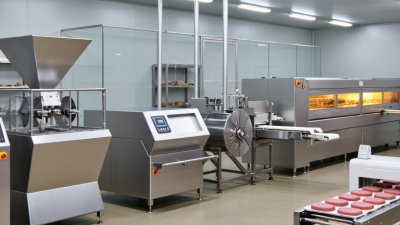
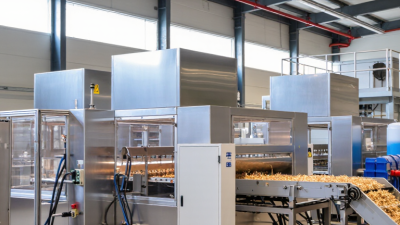
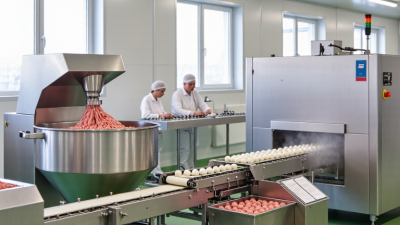
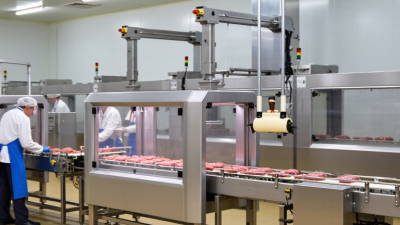
The way people talk about equipment is shifting, no question. According to the OECD-FAO Agricultural Outlook 2024–2033, global meat consumption is expected to climb around 12% by 2033—that’s compared to the 2021–2023 average. Now, that doesn’t mean every processor is automatically going to see growth. But it does sort of underscore something important: reliable capacity and efficient production still matter, maybe more than ever. So, a meat product assembly line ties together portioning, forming, coating, cooking, cooling, and packaging—you know, the whole shebang. And every single handoff between those steps actually matters. Like, if your conveyor isn't well-matched or the portioning step is all over the place, boom—you've got delays, wasted product, and a whole lot of extra scrubbing. Honestly, picking the right setup isn't just about the speed a machine claims to hit. It really depends on what you're making, how your plant is laid out, how much output you're aiming for, and what your sanitation rules are. There's no one-size-fits-all answer. Alright, let's cut to the chase – we've shortlisted seven manufacturers you should really consider for 2026. Now, we're not just throwing names around; we actually looked at practical stuff like the range of equipment they offer, how well they play with your existing setup (you know, integration support), whether they're open to customization, and if you can actually get service without pulling teeth. Quick heads-up: before you commit, always verify the latest specs and regional availability directly with the manufacturer, because things can shift under your feet. Here's the kicker – faster isn't always better. I've seen it time and again where a line that screams throughput but is a nightmare to clean ends up being more hassle than it's worth. In the real world, a line that's easier to clean and maintain might serve you way better in the long run. Honestly, people gloss over that trade-off way too easily, but it's a game-changer. Honestly, this list? It's just a jumping-off point. Don't get me wrong, it's useful, but it's no replacement for doing your own site trials, digging into the technical review, or even just grabbing coffee with some current customers to hear their take. You know, the real deal.
Read more »
Madeline By:Madeline - November 6, 2026
7 Best Meat Product Production Line Machines in 2026

7 Best Meat Product Production Line Machines in 2026

I mean, picking the right Meat Product Production Line Machine can really shape your plant's hygiene, output, labor needs, and long-term operating costs. And come 2026, processors are going to have to step up their game - tighter quality expectations and more pressure to reduce waste are just around the corner. When you're picking a machine, it's not just about the specs on paper. You've got to think about how it fits your actual setup—the recipe, how much you're producing, the space you have, how you clean it, and whether your team can handle the maintenance. Honestly, the little things can bite you. A conveyor that's awkwardly placed, a seal that's a pain to get to, or a changeover that takes forever—these add up to daily headaches that no sales brochure is going to tell you about. So, we're going to walk you through seven key machines you'll find on a modern meat production line – think grinders, mixers, fillers, slicers, forming machines, cooking systems, and packaging gear. Now, we didn't just look at specs; we dug into practical stuff like stainless steel build, temperature control, how safe it is for food contact, automation level, whether you can easily get spare parts, and how well it protects the operator. Honestly, if you're looking to buy, don't just get dazzled by big capacity numbers – there's way more to consider. Look, when you're making a big investment, you really want to back it up with solid evidence—factory trials, supplier paperwork, sanitation checks, and references from similar plants. But honestly, not every checklist item applies to everyone. A smaller producer might care more about being flexible than going full speed, whereas a big facility might be all about continuous flow and data integration. So yeah, rankings give you a starting point, but they're not set in stone. In the end, what really matters is how consistent your raw materials are, how well your staff is trained, how good your preventive maintenance is, and whether you've got reliable local service support. You know, specs can shift a bit too, especially as manufacturers keep rolling out newer models. So yeah, doing your homework before picking equipment—whether it's for a brand new line or just upgrading what you've got—is still super important.
Read more »
Ethan By:Ethan - November 1, 2026
10 Tips for Buying an Automatic Meat Slicer Machine

10 Tips for Buying an Automatic Meat Slicer Machine

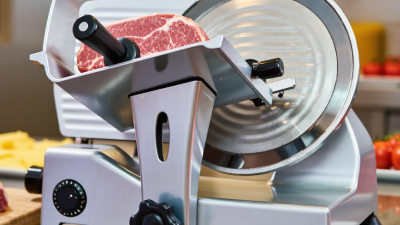
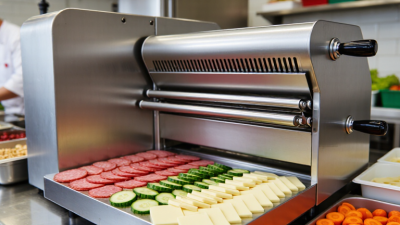
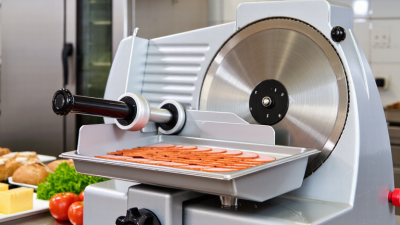
Honestly, picking an automatic meat slicer isn't just about grabbing the sharpest blade or the cheapest price tag. You've gotta think about what you're actually slicing, how much room you've got, and how fast you need to work. A little compact one might do the trick for a small deli counter, but if your kitchen stays busy, you'll probably want something sturdier with a bigger carriage and easy-to-adjust thickness controls. You know, those differences? They actually matter more than you'd think. So before you dive into comparing models, take a second to think about a typical day. Like, how many pounds of meat are you really going to slice? And are you also cutting cheese or veggies? Because a motor that's fine for the occasional job might seriously struggle if you're running it for hours straight. You'll want to check the blade size, how much you can adjust it, what it's built from, and how easy it is to clean. And honestly, don't just rely on product photos or those flashy sales claims—actually read the manufacturer's specs. You know, stainless steel surfaces are pretty useful, but they don't guarantee that every component can be cleaned with any method you throw at it. You know, safety and keeping things in good shape are both just as important. When you're checking out a tool, look for clear guards, a solid base, easy-to-reach controls, and whether you can find replacement parts later. The manual should walk you through assembly, cleaning, and basic upkeep — that's key. Honestly, the little details really count. If a machine's a pain to take apart, it's probably going to sit in the corner collecting dust, even if it cuts like a dream. And here's the thing—I've noticed people get so hung up on speed that they forget about the daily cleaning part. It's an easy trap to fall into, believe me. So, you're hunting for an automatic meat slicer? These ten tips should help you sort out what you really need—not just what looks good in the spec sheet. Keep an eye on stuff like capacity, how even the cuts come out, how painless cleanup is (because nobody loves scrubbing grease), what kind of support you get, and the overall cost—not just the sticker price. Here's the thing: there's no one-size-fits-all slicer out there for every kitchen. A decent checklist can really make the choice feel way less overwhelming, but honestly, if you can get your hands on a demo unit, that's a game-changer.
Read more »
Sophie By:Sophie - October 29, 2026
Top 10 Meatball Automatic Assembly Line Manufacturers?

Top 10 Meatball Automatic Assembly Line Manufacturers?

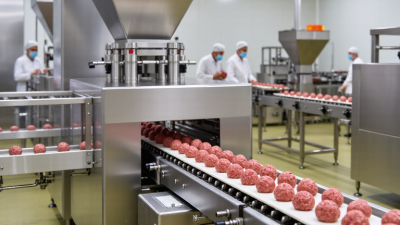
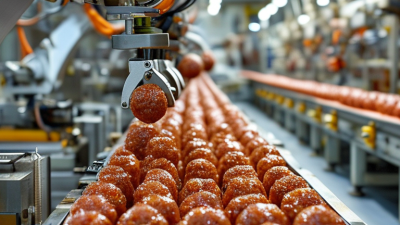
Picking the right Meatball Automatic Assembly Line isn’t just about comparing price tags. Sure, cost matters, but so do things like production speed, forming accuracy, hygiene design, and the after-sales support you’ll actually get. Those are the details that usually decide the long-term value. The global meat industry is still very much an industrialized business. And according to the OECD-FAO Agricultural Outlook 2024-2033, worldwide meat production is expected to keep growing over the next decade. That growth, in turn, pushes up demand for automated systems for forming, portioning, conveying, cooking, and packaging. Grand View Research also points to food processing equipment as a growing industrial market—driven by labor shortages, food safety rules, and the push to modernize factories. Still, automation isn't some magic fix. At the end of the day, a good line needs to keep meatball weights consistent, even when you're running different recipes, diameters, and moisture levels. Operators should also take a close look at cleaning access, stainless-steel construction, product-contact materials, and how long changeovers take. PMMI points out that workforce challenges and the need for operational flexibility are still big reasons food manufacturers turn to automation. And honestly, that tracks with what we see on the factory floor: a fast machine isn't much help if cleaning it takes forever. So, this guide takes a look at ten manufacturers linked to meatball production systems—names like Marel, GEA, Handtmann, Vemag, Reiser, Risco, JBT Marel, plus a few other specialized equipment suppliers. And honestly, their solutions can vary quite a bit. Some really zero in on precise forming, while others offer full turnkey lines that bring cooking and packaging into the mix. Just to be clear, this ranking isn’t meant to be one-size-fits-all. Things like plant capacity, regional service coverage, product formulation, and budget can all shift what the “best” choice really is. And honestly, available market reports rarely break out meatball assembly lines as their own category. That gap matters. So this comparison pulls together published industry data, what manufacturers can actually do, some engineering practicalities, and the kinds of buying criteria professional food processors really use.
Read more »
Sophie By:Sophie - October 25, 2026
10 Best Meat Slicer Machines for Commercial Use?

10 Best Meat Slicer Machines for Commercial Use?

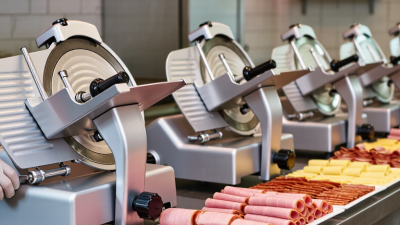
Choosing the right Meat Slicer for commercial work is not simply a matter of buying the fastest machine. A busy deli, butcher shop, hotel kitchen, or restaurant needs consistent slices, safe handling, and dependable daily performance. The wrong model may leave uneven cuts, warm product, or difficult cleaning tasks. Those small problems become expensive during a long service. Butcher and meat educator Tom Mylan is often associated with the practical rule, “A sharp knife is a safe knife.” The same principle applies to powered slicing equipment. A sharp, properly aligned blade can reduce tearing and unnecessary pressure. Operators should still inspect guards, switches, carriage movement, and thickness controls before every shift. Safety cannot depend on the blade alone. This guide examines ten commercial machines through real working details. We consider blade diameter, slice range, motor strength, stainless-steel construction, cleaning access, and operator comfort. A 10-inch blade may suit a small deli, while higher-volume counters may need a 12- or 13-inch model. Product temperature also matters. Chilled ham, roast beef, cheese, and vegetables can behave very differently under pressure. No machine wins every test. Some units offer impressive speed but create more cleaning work. Others feel solid but lack convenient adjustment controls. That trade-off deserves attention. Price is important, but service support and replacement parts can matter more after months of use. The following picks are designed to help commercial buyers compare performance honestly, including the compromises that product descriptions often overlook.
Read more »
Ethan By:Ethan - October 20, 2026
What Is a Fish Ball Boiling Line?

What Is a Fish Ball Boiling Line?

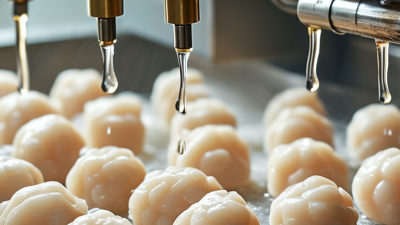
So, what exactly is a Fish Ball Boiling Line? Basically, it’s an integrated food-processing setup that cooks formed fish paste in a safe, consistent way. Usually, you’ll find several pieces working together: forming, boiling, conveying, cooling, and inspection equipment. In a real working factory, things start with chilled fish paste going into a forming machine. The balls come out uniform, then they head into a temperature-controlled boiling tank. Hot water sets their texture—and, if time and temperature are handled properly, it also helps lower microbial risks. As food-processing author Peter Fellows points out, controlling “safety, quality, and efficiency” matters all through food production. Same goes for a Fish Ball Boiling Line. Operators need to keep an eye on water temperature, belt speed, product size, and cooling conditions. A digital probe might read 85°C, but the center of a bigger fish ball can still be cooler. Those little differences? They matter. They can affect firmness, yield, and shelf life. A dependable line isn’t just about stainless-steel equipment. It also needs hygienic design, documented procedures, trained workers, and regular calibration. Cleanable surfaces help stop residue from building up near conveyors and tank edges. A good cooling section keeps the product from overcooking and helps protect that springy bite. That said, no line is perfect. Fish freshness, paste formulation, and operator judgment can all shift the final result. This guide looks at the equipment, workflow, safety controls, and practical limits behind modern fish ball production.
Read more »
Ethan By:Ethan - October 15, 2026
Why Choose an Automatic Food Slicer for Your Business?

Why Choose an Automatic Food Slicer for Your Business?

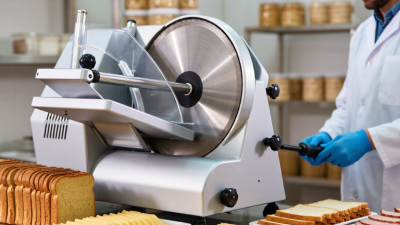
Picking the right equipment? It can really shape how a food business performs day to day—everything from product quality to operating costs. An Automatic Food Slicer, for example, gives you consistent cuts for meats, cheeses, veggies, and prepared foods. And that consistency matters more than you might think, especially when customers expect every sandwich or plate to look the same. It also cuts down on all that repetitive manual work during busy stretches. In a real working kitchen, the little things start to matter fast. A dependable slicer can crank out uniform portions while your team focuses on weighing, packaging, and getting orders right. Adjustable thickness settings help with different recipes too—thin deli slices one minute, firmer portions for catering trays the next. Stainless steel surfaces make routine cleaning easier as well, especially if the machine is built for food-service environments. That said, automation isn't some magic fix. Staff still need proper training, inspection routines, and safe habits. The machine doesn't replace good judgment. So what should you look at when evaluating one? Blade access, guarding, cleaning procedures, noise levels, footprint, and service support are all worth checking. Ask how fast parts can be replaced. Think about your busiest hour, not the quietest one. And compare expected output with actual demand—buying way more capacity than you need can waste budget. Some operators might also find that setup takes longer than expected. Worth admitting, honestly. Real performance depends on product type, operator skill, maintenance, and workflow design. Choose carefully, and an Automatic Food Slicer can improve portion control, reduce avoidable waste, and support a more dependable production process. The best choice isn't always the fastest machine. It's the one your team can run safely, clean consistently, and trust every day.
Read more »
Madeline By:Madeline - October 12, 2026
What Is the Best Meat Food Molding Equipment in China?

What Is the Best Meat Food Molding Equipment in China?

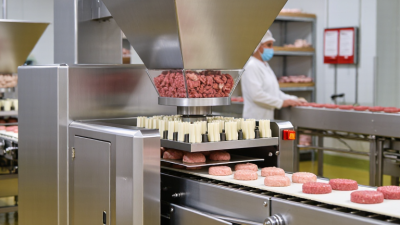
Picking the best Meat Food Molding Equipment in China? It's not just about price tags or nice product photos. What really matters is your product type, how much you're producing, shape accuracy, hygiene control, and the support you'll get after buying. A machine that makes great beef patties might struggle with chicken nuggets, fish balls, or filled products. So your production goals matter—a lot. Experienced buyers tend to look at things like contact materials, molding pressure, portioning accuracy, and how easy the machine is to clean. Food-grade stainless steel—304 or 316—makes daily operation safer and sanitation easier. Servo-driven systems can help with weight consistency, but only if they're properly calibrated and your operators know what they're doing. Ask suppliers for live production tests using your actual recipe and meat mix. Honestly, the small details add up. Check mold-change time, hopper capacity, conveyor alignment, and spare-part availability. Those things affect labor, downtime, and product waste. A reliable Chinese manufacturer should give you technical drawings, operating manuals, safety docs, and after-sales help that actually responds. Factory audits can tell you more than any sales presentation. Look at welding quality, electrical protection, drainage areas, and maintenance access. And verify certification claims with current, relevant documents. No machine wins every production test. Even a well-built unit may need tweaks for temperature, fat content, or moisture. That's where practical experience really pays off. This guide compares key equipment features, supplier reliability, customization options, and long-term operating costs. The goal isn't to crown one universal winner—it's to find the best fit for your specific meat-processing operation.
Read more »
Madeline By:Madeline - October 7, 2026
2026 Top Automated Pulping Machine Suppliers?

2026 Top Automated Pulping Machine Suppliers?

Picking a reliable supplier in 2026 isn’t just about checking out slick websites or their advertised capacities. You really need to consider whether an Automated Pulping Machine suits your raw materials, production needs, hygiene standards, and available space. Like, a machine made for fruit pulp probably won’t do much good in a paper mill. That kind of mismatch can seriously mess things up. In this guide, I’ll look at some well-known players like ANDRITZ, Valmet, Voith, FEECO International, plus those who make specialized equipment. Their solutions might include automated feeding systems, stainless steel contact surfaces, PLC controls, screening setups, or even live, real-time monitoring. It's always smart to ask for test results using your own materials — because apples, citrus, recycled fiber, and agricultural residue all behave differently under pressure. Pay close attention to the details that actually matter—things like how much the machine can process per hour, motor power, pulp consistency, how long cleaning takes, water consumption, and whether spare parts are easy to get. Don’t forget to ask if remote diagnostics are available in your region — sometimes, having a provider who can troubleshoot remotely is worth more than a few bucks saved on the initial purchase. A solid service network can save you from costly downtime if a seal fails or a sensor acts up. No list of top suppliers is perfect, and rankings can change as factories improve, prices fluctuate, and automation tech advances. Some manufacturers might not publish a ton of performance data, which should set off some alarms. That’s why it’s a good idea to look for independent references, request factory acceptance tests, see operator training get underway, and read through warranty terms. These things give you a much clearer picture than just marketing mumbo jumbo. Remember, the companies I mention here are just starting points—nothing more. Do your homework to verify certifications, how well their solutions will integrate into your setup, and what the full lifecycle costs look like before you sign anything. Ultimately, you need proof that their equipment will perform as promised.
Read more »
Madeline By:Madeline - October 3, 2026
China Top Fish Ball Production Equipment Manufacturers?

China Top Fish Ball Production Equipment Manufacturers?

Picking the right fish ball machinery from China’s top manufacturers isn't just about glancing at the listed prices. You really need to dig a bit deeper—think about their production capacity, how consistent the products are, what materials are used that come into contact with food, how clean and easy the design is to keep sanitary, and what kind of support you’ll get after the sale. Little details sometimes make a huge difference: using a mixer or forming machine that's a bad fit can mess with the texture of your fish balls, cut your yield, or make cleaning a nightmare. According to the Food and Agriculture Organization’s latest report, 'The State of World Fisheries and Aquaculture 2024', global fisheries and aquaculture produced around 223.2 million tonnes in 2022—that's including all kinds of seafood, with 185.4 million tonnes of aquatic animals. Keep in mind, that’s a big-picture number for the seafood supply chain, not specifically for fish ball machinery sales or demand. But it still highlights just how big and complex this raw material sector is for seafood processors everywhere. When you're looking at equipment like mincers, mixers, forming machines, cooking systems, or packaging lines, the choice really depends on your recipes, how much you want to produce, your available space, and how automated your plant can be. A faster line isn't always better—sometimes it’s about finding the right fit for your specific needs. You'll notice some manufacturers offer detailed specs, while others just give you the basics, and that’s a gap worth paying attention to. You want to be sure how their equipment performs in real-world scenarios, not just on paper. This guide focuses on practical factors like the range of equipment, whether they offer customization, their technical support, and verified customer reviews—rather than vague 'best' claims. It’s always smart to check directly with suppliers about their output rates and get product samples or trials. Brochures are just a starting point; you need to do your homework to really understand what you’re getting.
Read more »
Ethan By:Ethan - September 28, 2026
7 Tips to Choose an Automatic Food Slicer?

7 Tips to Choose an Automatic Food Slicer?

Picking out an automatic food slicer isn’t just about grabbing the fastest machine out there. You really need to find one that matches what you’re actually working with—your food types, how much you need to slice daily, your staff’s skill level, and how easy it is to clean. For example, a deli meat slicer might not work so well for soft cheeses, cooked veggies, or uneven roast cuts. Little details tend to matter more than you'd think—like the size of the blade or how much space is around the machine when you’re trying to set it up or operate it. Elena Marquez, who’s been in the commercial kitchen game for over fifteen years as a food equipment consultant, puts it simply: “A reliable slicer should give you consistent cuts without making cleaning a nightmare.” It’s a practical point. Honestly, speed doesn’t mean much if folks are struggling with controls, taking forever to remove the blade, or loading products awkwardly. To help you out, this guide walks through seven important things to consider—things like how precise the cuts are, how good the motor performance is, safety features, sanitation, how easy it is to maintain, capacity, and long-term value. Some big names like Hobart, Berkel, and Globe make different styles and systems, but just because it’s a well-known brand doesn’t mean it’s the perfect fit for you. Don’t get swayed by shiny pictures—make sure to compare actual specs. Check if the machine can handle your biggest items. Make sure the parts that come into contact with food are easy to clean thoroughly. Also, double-check the electrical requirements in your area and see what kind of support or service the manufacturer offers. Here’s the thing—there’s no such thing as a perfect slicer. If you’re running a busy kitchen, throughput might be your priority, while a smaller shop might care more about easy controls and lower maintenance costs. And I’ll admit, comparing prices alone can be kind of misleading. A cheaper model might end up costing you more in labor, replacement parts, or downtime down the line. So, the best automatic food slicer is really the one that gives you consistent performance, keeps things safe, and actually fits the people who are using it every day.
Read more »
Ethan By:Ethan - September 23, 2026
What Is the Best Automatic Food Slicer Made in China?

What Is the Best Automatic Food Slicer Made in China?

Choosing the right Automatic Food Slicer made in China isn’t just about comparing prices or looking at shiny product photos. It’s about finding a machine that really works well in the real world—something that slices consistently, runs smoothly, and is easy to clean during busy kitchen hours. Think about a bustling prep area, where folks are slicing cheese, cooked meats, veggies, or bread for hours on end. The slicer needs to keep the thickness just right, without vibrating too much or needing constant fiddling with settings. This guide highlights practical stuff that food equipment pros look at. Things like blade material, how accurate the cuts are, motor performance, surfaces that touch food, safety guards, and how easy it is to keep everything hygienic. Using stainless steel usually helps with durability, but it’s important to pay attention to the grade and how well it’s welded. A good supplier should give clear specs, straightforward instructions, maintenance tips, and quick support if you need it. And don’t forget—factory experience counts. It’s a big plus if the manufacturer can walk you through their testing process instead of just throwing around vague promises. Make sure to review quality standards and detailed documentation, too. Remember, there’s no one-size-fits-all slicer. A small, compact model might be perfect for a deli, but a bigger operation might need a conveyor-style machine. Price isn’t everything—sometimes a cheaper slicer ends up costing more in blades, wasted product, or downtime in the long run. It’s also worth noting that some machines that look great on paper might not hold up after months of daily use. That’s something you want to dig into before buying. Testing a sample, talking to other customers, and getting a detailed quote can help uncover any weaknesses upfront. By carefully comparing Chinese manufacturers—looking at real performance and transparent communication—you’ll be able to make a smarter, more confident choice.
Read more »
Ethan By:Ethan - September 18, 2026
Top 10 Meatball Automatic Assembly Line Manufacturers

Top 10 Meatball Automatic Assembly Line Manufacturers

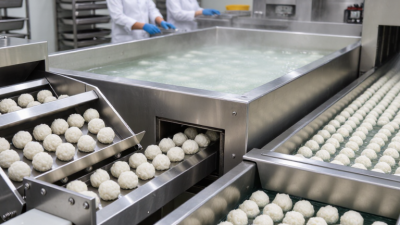
These days, meatball production is shifting away from the old-school, hands-on shaping process toward more integrated systems that handle forming, conveying, cooking, and inspection all in one go. For example, a Meatball Automatic Assembly Line can really help with keeping portion sizes consistent, improving hygiene, and ramping up hourly output. But hey, don’t think automation’s some magic fix. Things like the recipe, meat temperature, fat content, and local regulations still play a huge role in how well everything turns out. Looking ahead, the OECD-FAO Agricultural Outlook 2024–2033 predicts that global meat consumption will keep climbing, especially in emerging markets. That’s pushing processors to look for more reliable, repeatable systems that don’t rely so heavily on manual labor. At the same time, PMMI’s research on food processing automation shows a big jump in investments in robotics, digital monitoring, and adaptable equipment. You’ll see companies like GEA, Marel, Handtmann, Vemag, REX Technologie, Mainca, ABM Company, FPEC, PFM, and JBT Marel getting a lot of attention in this space. But a word of caution about the numbers. Sometimes, a supplier might boast about their machine producing 10,000 meatballs an hour. The real story? Capacity can shift based on the size of the meatball, how thick the recipe is, the setup of the machine, and whether the operator’s having a good day. Those little details matter more than the headline speed. In real-world factory tests, things like how easy it is to clean and how quickly you can switch over production are often more important than just raw speed. Plus, a lot of published comparisons are based on supplier claims rather than independent testing, so approach those figures with a grain of salt. This guide, therefore, factors in things like shaping accuracy, how well the system integrates into the rest of the line, ease of cleaning, support services, energy efficiency, and what actual customers have experienced. It’s not about finding a single “best”—a smaller plant might prioritize flexibility, while a larger operation could focus on steady throughput and automated quality checks. Ultimately, the real-world conditions are what really decide which system is the best fit.
Read more »
Sophie By:Sophie - September 14, 2026
2026 Top Automated Refrigeration Pulping Machine Types

2026 Top Automated Refrigeration Pulping Machine Types

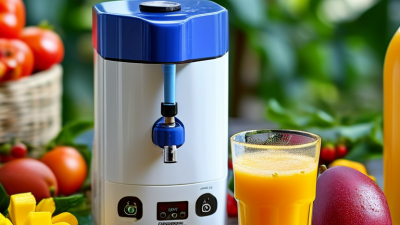
Looking ahead to 2026, the market for the Automated Refrigeration Pulping Machine isn’t just about sorting fruits anymore. Nowadays, processors are expecting these machines to do a lot more—pulping, cooling, sanitation, and even data logging—all in a single, controlled line. Imagine a mango or tomato pulp coming out warm, foamy, and surprisingly vulnerable to rapid quality decline—that's where refrigeration really needs to kick in fast and respond quickly to keep everything fresh. According to the Food and Agriculture Organization, about 13.2% of food gets lost somewhere between harvest and retail in 2021. The UNEP Food Waste Index Report 2024 also estimated that in 2022, roughly 1.05 billion tonnes of food went to waste. Now, these stats aren’t talking about pulping machines directly, but they really highlight why temperature control and quick refrigeration matter so much. The International Institute of Refrigeration keeps hammering home this idea—"The cold chain is only as strong as its weakest link"—and Professor Judith Evans, a refrigeration engineering expert with the IIR, often uses this principle when talking about food preservation systems. This guide dives into the top types of automated refrigeration pulping machines for 2026, looking at real-world criteria. Things like how much they can process each hour, the temperature of the pulp, what refrigerant they use, how easy it is to clean, sensor accuracy, and energy efficiency. A machine might show a nice low temperature on its display, but what really counts is whether it’s actually keeping the product temperature stable. Features like stainless steel contact surfaces, hygienic welds, and validated CIP procedures are just as crucial. Plus, following standards like ISO 22000 and HACCP-based controls can really help food processors stay on the safe side. Of course, no machine is perfect. Some market reports tend to compare really different equipment types—which can sometimes give a distorted picture in rankings. The best way to be sure? Always test the machine with real fruit—not just lab water. A cold mango pulp sample might seem fine visually, but it can hide oxidation, uneven texture, or hidden cleaning issues. So, while comparing machine options for modern production lines, it’s important to keep those limitations in mind and stay practical about what really works.
Read more »
Madeline By:Madeline - September 10, 2026
How to Choose the Best Fish Ball Boiling Line?

How to Choose the Best Fish Ball Boiling Line?

Picking the right Fish Ball Boiling Line isn’t just about comparing prices or looking at advertised capacity. Honestly, your choice has big implications—not just for how the fish balls turn out, but also for safety, labor costs, energy consumption, and keeping your daily production running smoothly. I mean, the FAO’s last report, The State of World Fisheries and Aquaculture 2024, mentions around 185 million tonnes of aquatic animals being produced in 2022. That’s a pretty clear sign that seafood processing remains super important. But here’s the kicker—just because a system is biggest doesn't automatically mean it’s the best fit for you. When you’re evaluating options, start with the details. Think about things like the size of the fish balls, how thick your mixture needs to be, how much you want to produce, the cooking temperature, and how long the fish balls stay in the boiling line. For example, a line capable of 1,000 kilograms an hour won’t do much good if the boiling’s uneven—that can mess with quality. Look for equipment made from food-grade stainless steel, precise temperature sensors, adjustable conveyors, and easy access for cleaning. The Codex Alimentarius guidance also stresses the importance of hygiene, preventing contamination, and managing food safety risks. Automatic water circulation and centralized controls help reduce errors from operators, but they’re no substitute for solid sanitation practices. Industry reports from places like Grand View Research and MarketsandMarkets often highlight automation, processing speed, and food safety as top priorities in seafood equipment. Those insights are super helpful for understanding market trends, but they don’t tell the whole story about your specific setup. Remember—nothing’s perfect. A cheaper system might use more water, or a really fancy one could be hard to maintain locally. So, always ask your suppliers for factory acceptance records, test samples, spare-part lists, and energy usage info. After boiling, take a close look at the fish balls—are they firm enough? Is the surface smooth? Check the center temperature and see if they break easily. Picking a machine is all about balancing proven performance with practical support—something that’s often overlooked but makes all the difference. Overall, don’t forget: it’s about finding that sweet spot between quality, efficiency, and support to keep your operation running smoothly day in and day out.
Read more »
Sophie By:Sophie - September 7, 2026